
Spartan Machine Co., Ltd. · Blog & Knowledge Center

Packaging Machine Insights & Technical Blog

Technical guides, machine selection analysis, and industry knowledge for flexible packaging automation.

0%

Choosing the 2026 Best Pyramid Tea Bag Packaging Machine for Sale requires more than comparing speed figures. A dependable Pyramid Tea Bag Packaging Machine must create stable triangular bags, accurate fills, clean seals, and consistent thread placement. It should also handle tea dust, broken leaves, herbs, and blended ingredients without frequent stoppages. Small details matter. A loose seal can ruin an otherwise premium product.

Anne Marie Mohan, a respected packaging-industry specialist, offers a practical reminder: “The best packaging machine is the one that performs consistently on the production floor, not merely in a brochure.” That principle guides this review. We examine filling accuracy, ultrasonic or heat-sealing performance, changeover time, film compatibility, sensor reliability, and operator access. Stainless-steel construction also deserves attention, especially in humid production rooms where residue can collect around guides and forming areas.

No machine is perfect. A faster model may require more careful calibration. A compact unit may save floor space but limit future capacity. Buyers should inspect real samples, test their preferred tea blend, and ask about spare parts, training, and service response. These checks reveal weaknesses that photographs hide. They also support safer, more reliable purchasing decisions.

This guide compares suitable machines for small workshops, contract packers, and growing tea brands. It considers output, maintenance, packaging quality, energy use, and total ownership cost. The “best” choice depends on production goals, not impressive marketing alone. A practical decision may look less glamorous, but it usually performs better over time.
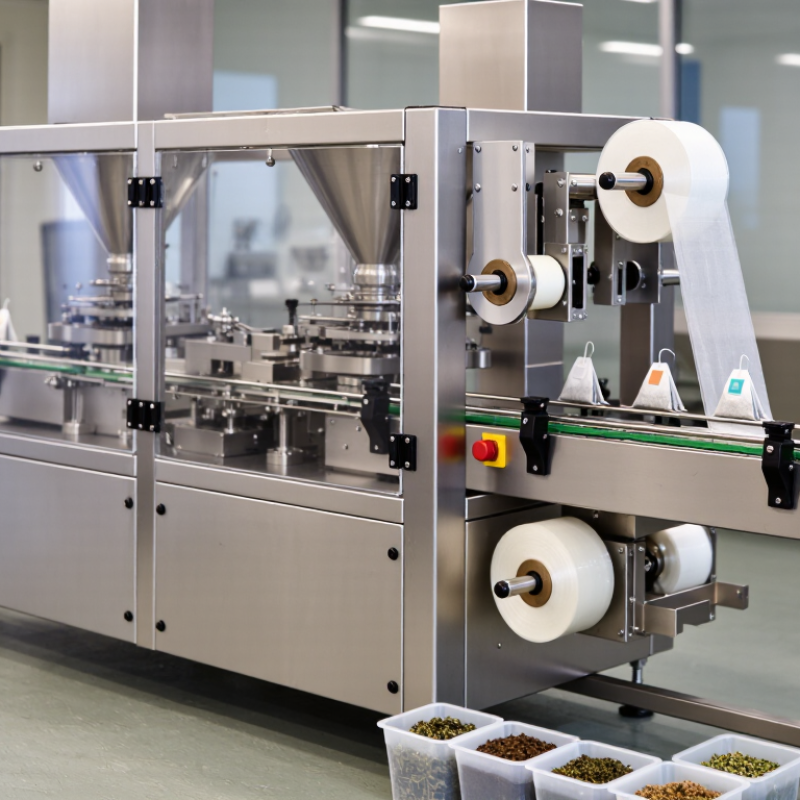
2026 Best Pyramid Tea Bag Packaging Machine for Sale

What Is a Pyramid Tea Bag Packaging Machine?

A pyramid tea bag packaging machine forms tea bags with a three-dimensional triangular shape. Unlike flat sachets, this design gives tea leaves more room to expand during brewing. The machine usually measures tea, feeds it into filter material, seals the pouch, and cuts it accurately. Some systems also attach strings, tags, or outer envelopes.

In practical production, operators adjust the filling volume, sealing temperature, and film tension. These settings affect pouch strength and brewing performance. A reliable machine should provide stable dosing and consistent sealing. It should also use food-contact materials and allow easy access for cleaning. Small sensors can detect empty bags, poor seals, or material movement problems. These details reduce waste and protect product quality.

A pyramid shape is not perfect for every tea. Very fine particles may pass through unsuitable filter material. Large leaves may require wider openings and slower filling speeds. This is where testing matters. Trial runs should examine weight accuracy, seal strength, dust control, and infusion results. A machine may look efficient during a demonstration, yet perform differently after several hours of operation. Buyers should review maintenance access, operator training, spare parts, and actual production records before purchasing. Mistakes happen. Careful verification remains essential.

2026 Best Pyramid Tea Bag Packaging Machine for Sale

Typical Output Capacity by Machine Configuration

Pyramid tea bag packaging machines form, fill, seal, and cut filter material into pyramid-shaped tea bags. Typical commercial output increases with the number of operating lanes: single-lane systems commonly produce about 40–60 bags per minute, two-lane systems about 80–120 bags per minute, and four-lane systems about 160–240 bags per minute. Actual capacity depends on tea particle size, filling weight, sealing method, and packaging material.

How Pyramid Tea Bag Packaging Machines Work

2026 Best Pyramid Tea Bag Packaging Machine for Sale

How Pyramid Tea Bag Packaging Machines Work

A pyramid tea bag packaging machine starts with a controlled supply of tea, herbs, or loose-leaf blends. The material enters a hopper, where an auger or volumetric cup measures each portion. Some systems use electronic weighing for better accuracy. The measured product drops onto filter film. Forming collars shape the film into a three-dimensional pouch. Heat-sealing jaws then close the sides and bottom. A cutter separates each bag cleanly. Many machines attach a thread and tag in the same cycle. Sensors monitor film position, temperature, pouch length, and product flow. A PLC coordinates these actions at high speed.

Small adjustments matter. During machine trials, operators often find that fragile leaves bridge inside the hopper. Humidity can also change filling behavior. A reliable setup uses stable material moisture, correct sealing temperature, and regular sensor checks. Excessive heat may weaken the filter paper. Too little heat can cause leaks. The ideal setting depends on film structure and tea density, so testing remains necessary. That part is easy to underestimate.

Tips: Clean the hopper and forming parts every shift. Check seal strength with sample bags before full production. Keep film tension steady, and record every setting change. A short trial run can reveal uneven filling, loose seals, or misaligned tags before they become costly problems.

Key Features and Technical Specifications to Compare

2026 Best Pyramid Tea Bag Packaging Machine for Sale

When comparing a pyramid tea bag packaging machine, start with output stability, not maximum speed. A practical target is 30 to 60 bags per minute. Ask whether this rate remains steady with delicate herbs, broken leaves, or uneven blends. Accurate weighing matters. A typical filling tolerance should stay within about 0.1 to 0.2 grams, depending on the product.

Check the sealing method and compatible filter materials carefully. Heat sealing can provide clean edges, while ultrasonic sealing may reduce direct contact with heated parts. Confirm the machine supports your chosen mesh, thread, tag, and outer pouch sizes. Useful specifications include a touchscreen control system, servo-driven dosing, automatic film tracking, and sensors for empty material or sealing faults. Safety guards and an emergency stop are essential. So is easy cleaning.

In production testing, I would measure changeover time with a stopwatch. Ten to fifteen minutes sounds reasonable, but inexperienced operators may need longer. Review electrical requirements, compressed-air consumption, machine dimensions, and maintenance access before purchase. A stainless-steel contact area helps hygiene, though it does not replace proper cleaning procedures. Ask for sample bags using your actual tea blend. Leaf size can expose problems that a factory demonstration hides. A fast machine is not always the best machine. Reliability during a long shift deserves more attention than an impressive brochure figure.

How to Choose the Best Machine for Your Production Needs

2026 Best Pyramid Tea Bag Packaging Machine for Sale

Choosing the best pyramid tea bag packaging machine starts with your actual production needs. A machine that looks impressive may still waste film, space, or labor. Check your target output in bags per minute, not only the advertised maximum speed. In daily production, stable performance matters more than a brief peak rate. Measure your tea volume, particle size, moisture, and preferred bag dimensions. These details affect dosing accuracy and sealing quality.

Ask for trial packaging with your own tea. Watch the machine fill each bag, form the pyramid shape, and seal the filter material. Inspect leaking edges, uneven corners, and loose threads. Small defects become expensive during long shifts. Confirm whether the dosing system handles whole leaves, herbs, or blended particles without frequent adjustment. Changeover time also matters. Ten extra minutes per product can become hours each week.

Review the machine’s cleaning access, electrical requirements, compressed-air use, and safety guarding. Operators should reach the film path without awkward tools. Clear manuals and responsive technical support are practical signs of reliable equipment. Request records for output tests, spare parts, and maintenance intervals. Do not judge only by the purchase price. Energy use and rejected bags may cost more later. I have seen buyers choose speed too quickly, then struggle with inconsistent filling. That mistake is easy to repeat. A slower machine with dependable accuracy may fit better. Leave room for future capacity, but avoid paying for features your team will never use.

Pricing, Maintenance, and Buying Considerations in 2026

2026 Best Pyramid Tea Bag Packaging Machine for Sale

In 2026, pyramid tea bag machine prices vary with speed, automation, and material compatibility. Semi-automatic models may cost about $8,000 to $25,000. Fully automatic systems can exceed $30,000. High-output lines may reach $100,000 after installation and testing. Request a complete quotation. Film feeders, scales, nitrogen systems, molds, and shipping can change the final cost. A low purchase price can become expensive when essential accessories are excluded.

Maintenance should be planned before production begins. Clean the forming area every shift, especially around the sealing jaws and dust collection points. Check temperature sensors, cutting blades, belts, and pneumatic lines weekly. Operators should record seal strength, bag weight, and downtime. Small changes often reveal larger problems. Replace worn sealing parts before leakage affects an entire batch. Keep spare heaters, sensors, blades, and gaskets on site. Maintenance records also support warranty discussions and safer training.

Buying decisions should match real production, not impressive sample speed. Test your exact tea blend, mesh material, tag, string, and target weight. Ask for verified output under normal factory conditions. Confirm electrical requirements, training, spare-part availability, and remote support. Inspect rejected bags during a live trial. Some machines perform well with uniform tea, but struggle with dusty or uneven blends. That detail is easy to miss. A factory acceptance test is worth the extra time, although it may delay delivery. Allow space for cleaning, operator access, and future upgrades.

FAQS

What does a pyramid tea bag packaging machine do?

It measures tea, forms filter film, seals the pouch, and cuts each bag. Some systems add strings and tags.

Why use a three-dimensional tea bag shape?

The triangular pouch gives loose leaves more room to expand during brewing. This may improve infusion.

What materials can the machine package?

It can handle tea, herbs, and loose-leaf blends. The filter material must suit particle size and product behavior.

How does the machine control filling accuracy?

An auger, volumetric cup, or electronic scale measures each portion. Operators should check sample weights regularly.

Can every tea blend run smoothly?

No. Fine particles may pass through unsuitable film. Large leaves can bridge inside the hopper.

What settings affect pouch quality?

Filling volume, sealing temperature, film tension, and machine speed all matter. Small changes can cause leaks or uneven bags.

How should operators test a new machine?

Test the exact tea blend, film, string, tag, and target weight. Inspect seals and rejected bags during a live trial.

What maintenance is required?

Clean the hopper and forming parts every shift. Check sensors, blades, belts, heaters, and pneumatic lines regularly.

How much can a pyramid tea bag machine cost?

Semi-automatic models may cost about $8,000 to $25,000. Fully automatic systems can exceed $30,000.

What should buyers verify before purchase?

Confirm output under normal conditions, electrical needs, training, spare parts, cleaning access, and technical support. A fast demonstration proves little.

Conclusion

A Pyramid Tea Bag Packaging Machine is designed to fill and seal pyramid-shaped tea bags that provide improved space for tea leaves, herbs, and blended ingredients to expand during brewing. The machine typically measures the material, forms the filter film, fills each bag, seals the edges, attaches a thread or tag when required, and cuts or discharges the finished products. Its design supports consistent portion control, clean packaging, and efficient production.

When comparing a Pyramid Tea Bag Packaging Machine, manufacturers should evaluate output speed, filling accuracy, compatible filter materials, sealing quality, bag dimensions, automation level, and ease of operation. The best choice depends on product type, daily capacity, available floor space, and future expansion plans. In 2026, buyers should also consider total pricing, installation, training, spare parts, maintenance requirements, energy use, and after-sales support. A machine with reliable construction and accessible service can reduce downtime and provide better long-term value than focusing only on the initial purchase cost.

Emma

Emma

Emma is a dedicated marketing professional with a strong expertise in the core products and services of her company. With a passion for crafting compelling content, she regularly updates the company’s professional blog, providing invaluable insights and thought leadership in the industry. Emma's......