
Spartan Machine Co., Ltd. · Blog & Knowledge Center
Packaging Machine Insights & Technical Blog
Technical guides, machine selection analysis, and industry knowledge for flexible packaging automation.
Blog
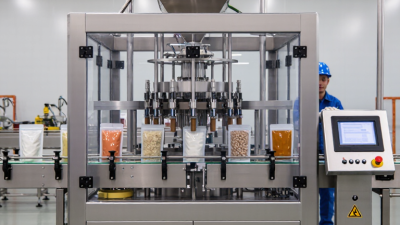
How to Choose a Doypack Stand Up Pouch Packing Machine?
Choosing a Doypack Stand-Up Pouch Packing Machine is not simply a matter of comparing speed, price, or appearance. The right choice begins with the product inside the pouch. Powder, granules, liquids, and fragile snacks each require different dosing systems, sealing temperatures, and handling methods. A pouch that looks attractive may still wrinkle, leak, or lose its stability during transport.
Packaging machinery specialist John R. Henry offers a useful principle: “A packaging machine must be matched to the product and package.” This idea remains practical on the factory floor. Before selecting equipment, manufacturers should test the actual pouch film, zipper, spout, filling weight, and sealing area. Watch the machine during start-up. Inspect the seal after several hours. Small problems often appear only when production becomes continuous.
The evaluation should also include filling accuracy, changeover time, cleaning access, compressed-air consumption, and operator safety. Future pouch sizes matter too. A machine designed for one narrow format may become expensive when the product range expands. The best Doypack Stand-Up Pouch Packing Machine balances flexibility with stable performance, not maximum speed alone.
There is no perfect machine.
A careful buyer should request sample trials, production data, maintenance requirements, and service response times. Some specifications may look impressive on paper but perform differently with real materials. That is where practical experience matters. A reliable decision combines technical evidence, operator feedback, and a realistic understanding of the factory’s daily conditions.
Read more »
 By:Emma
- October 19, 2026

Why Choose a Spout Pouch Filling and Capping Machine?
Selecting the right packaging equipment can influence product safety, production speed, and daily operating costs. A Spout Pouch Filling and Capping Machine offers a practical solution for liquid and semi-liquid products. It can fill measured volumes and seal spouts within one coordinated process.
In real production environments, operators often value consistency more than impressive specifications. A well-designed machine can reduce spills, limit product exposure, and support cleaner packaging areas. It may also improve changeover efficiency when different pouch sizes or formulas are required. For example, accurate filling helps prevent sticky residue around the spout, while controlled capping protects the package during transport.
That matters.
This equipment can support beverages, sauces, detergents, personal care products, and other suitable applications. However, performance depends on pouch material, product viscosity, filling temperature, and cap design. A machine should not be selected from speed claims alone. Experienced suppliers usually review hygiene requirements, filling accuracy, automation levels, maintenance access, and operator training before recommending a configuration.
There are trade-offs. Higher automation may reduce labor demands, but it can increase the purchase price and require skilled maintenance. Some systems also need careful calibration after format changes. These details are easy to overlook.
A reliable Spout Pouch Filling and Capping Machine should match the product, packaging format, and production goals. Buyers should request test runs, inspect contact materials, and verify after-sales support. This practical evaluation creates stronger evidence than brochures alone. It also helps manufacturers choose equipment that remains dependable beyond the first installation.
Read more »
By:Emma
- October 14, 2026
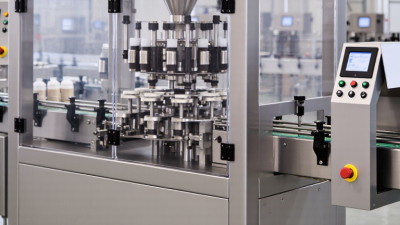
Top Four Side Seal Sachet Packaging Machine Manufacturers?
Choosing the right Four-Side Seal Sachet Packaging Machine manufacturer requires more than comparing machine prices. Production speed matters, but so do seal consistency, film compatibility, cleaning access, and technical support.
This guide examines four leading manufacturers through practical buying criteria. It considers sachet size ranges, servo control, filling accuracy, sealing temperature stability, and changeover time. A reliable machine should handle powder, granules, liquids, or viscous products without creating unnecessary waste. It should also produce clean, even seals under demanding factory conditions.
Packaging machinery specialist John Henry offers a useful reminder: “A fast machine is not efficient if it creates inconsistent seals and difficult maintenance.” That point deserves attention. A machine running at 120 sachets per minute may appear impressive. However, frequent stoppages can reduce real output. Small details matter, such as tool-free adjustments, clear operator panels, and accessible forming components.
The manufacturers discussed here serve different production needs. Some focus on compact machines for flexible packaging lines. Others provide high-speed systems, customized dosing units, or complete automated solutions. Their strengths are not identical.
No ranking is perfect. A supplier with excellent engineering may offer slower service in distant markets. Another may provide attractive pricing but fewer customization options. Buyers should verify references, factory testing, spare-parts availability, and after-sales response before signing a contract.
The goal is practical clarity. This comparison helps manufacturers identify the best fit for their products, workforce, and growth plans.
Read more »
By:Emma
- October 9, 2026
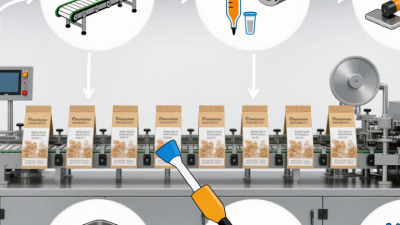
7 Tips for a Multi-Lane Stick Pack Packaging Machine
Choosing a Multi-Lane Stick Pack Packaging Machine is not simply a matter of counting lanes. It involves product behavior, film performance, dosing accuracy, sealing pressure, and operator control. A compact machine may look efficient during a showroom test, yet behave differently with powder, granules, or sticky liquids. Small details matter. A drifting film edge can create weak seals across every lane.
Walter Soroka, a respected packaging educator and author, offers a useful principle: “Packaging is a system, not a single machine.” That idea guides this practical introduction to seven essential machine-selection and operating tips. The discussion will examine lane synchronization, servo control, filling accuracy, seal inspection, material waste, sanitation access, and preventive maintenance. It will also consider production evidence, including trial runs, rejected-stick counts, changeover time, and actual output rather than advertised speed.
Speed is not everything.
A Multi-Lane Stick Pack Packaging Machine should support stable production without making quality checks difficult. Operators need clear access to forming collars, sensors, dosing parts, and sealing jaws. Maintenance teams need realistic cleaning intervals and replacement-part information. These points are often overlooked when purchasing decisions focus only on capacity.
Some recommendations may seem obvious. They are still frequently missed. The right choice depends on the product, package dimensions, facility conditions, and staff experience. No machine removes every production risk. Careful testing remains necessary. This guide provides a grounded starting point, while leaving room to question assumptions before investment.
Read more »
 By:Olivia
- October 4, 2026
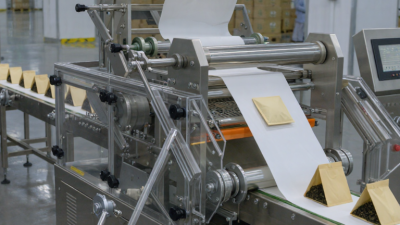
China Top 10 Filter Tea Bag Envelope Packing Machine Suppliers
China’s tea industry is moving toward faster, cleaner, and more traceable packaging operations. The China Tea Marketing Association reported strong domestic tea consumption in recent years, increasing pressure on processors to improve packing efficiency. Meanwhile, PMMI’s 2024 State of the Industry report highlights labor shortages, equipment uptime, and digital monitoring as major packaging concerns.
This is where a reliable Filter Tea Bag Envelope Packing Machine becomes important. The machine must form accurate envelopes, control filter-paper tension, protect aroma, and maintain stable sealing at high speeds. Small details matter. A loose seal can damage an entire production batch. A poorly adjusted cutter can create waste within minutes.
Jorge Izquierdo, PMMI’s vice president of market development, has emphasized that “automation helps manufacturers improve productivity, quality, and safety.” His observation fits tea packing closely. However, supplier claims still require careful checking. Speed figures may reflect ideal materials, skilled operators, and laboratory conditions. Real factories face humidity, powder variation, film differences, and maintenance delays.
This China Top 10 supplier overview will compare machine structure, output stability, control systems, customization, certifications, and after-sales support. It will also consider practical evidence, including factory testing, customer references, spare-parts access, and technical documentation. No ranking is perfectly objective. That deserves attention. A cheaper machine may appear attractive, but unstable sealing or slow service can increase the total cost of ownership. The strongest suppliers combine proven engineering with responsive support and transparent performance data.
Read more »
By:Emma
- September 29, 2026
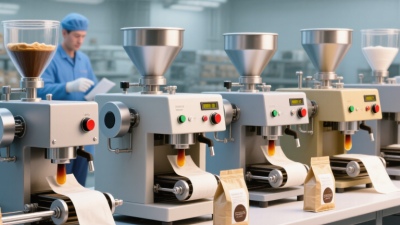
Top 10 Drip Coffee Bag Packing Machines for Buyers
Choosing a Drip Coffee Bag Packing Machine is not just a matter of comparing advertised speeds. Buyers must consider the coffee format, bag materials, sealing method, and production volume. A machine that suits a small roastery may struggle on a larger line.
This guide compares ten options through practical buying questions. Can the machine form consistent bags? Does it handle filter paper and outer packaging? How quickly can operators change settings? These details matter on a real production floor, where a misaligned roll or uneven seal can create costly downtime. Fast output is useful. Reliable output is better.
Packaging engineer Elena Ward is a fictional illustrative expert, not a quoted industry source. Her guiding line for this article is: “A good machine protects the coffee and keeps every pack consistent.” Treat that as a practical principle, not a verified quotation. Buyers should confirm specifications directly with manufacturers and request product trials using their own coffee and packaging materials. Small differences count.
The rankings are a starting point, not a substitute for testing. Some machines may fit one buyer’s needs and miss another’s. Compare actual output, footprint, maintenance access, and available support before deciding. A neat brochure cannot show every production constraint. This guide aims to make those trade-offs easier to spot.
Read more »
 By:Sophia
- September 24, 2026
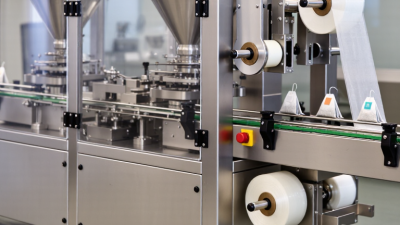
2026 Best Pyramid Tea Bag Packaging Machine for Sale
Choosing the 2026 Best Pyramid Tea Bag Packaging Machine for Sale requires more than comparing speed figures. A dependable Pyramid Tea Bag Packaging Machine must create stable triangular bags, accurate fills, clean seals, and consistent thread placement. It should also handle tea dust, broken leaves, herbs, and blended ingredients without frequent stoppages. Small details matter. A loose seal can ruin an otherwise premium product.
Anne Marie Mohan, a respected packaging-industry specialist, offers a practical reminder: “The best packaging machine is the one that performs consistently on the production floor, not merely in a brochure.” That principle guides this review. We examine filling accuracy, ultrasonic or heat-sealing performance, changeover time, film compatibility, sensor reliability, and operator access. Stainless-steel construction also deserves attention, especially in humid production rooms where residue can collect around guides and forming areas.
No machine is perfect. A faster model may require more careful calibration. A compact unit may save floor space but limit future capacity. Buyers should inspect real samples, test their preferred tea blend, and ask about spare parts, training, and service response. These checks reveal weaknesses that photographs hide. They also support safer, more reliable purchasing decisions.
This guide compares suitable machines for small workshops, contract packers, and growing tea brands. It considers output, maintenance, packaging quality, energy use, and total ownership cost. The “best” choice depends on production goals, not impressive marketing alone. A practical decision may look less glamorous, but it usually performs better over time.
Read more »
By:Emma
- September 19, 2026
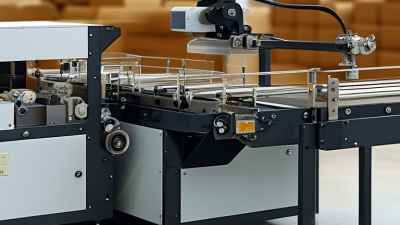
Top 10 Tips for Choosing a Horizontal Flow Wrap Machine?
Choosing the right Horizontal Flow Wrap Machine is critical for packaging efficiency and product protection. This decision can directly impact your production line. With numerous options available, it can be overwhelming to navigate through the choices. Your selection should be based on your specific packaging needs, product types, and production volume.
Understanding the features of different Horizontal Flow Wrap Machines is essential. Look for machines that offer flexibility and reliability. Consider speed, size adjustments, and material compatibility. Sometimes, the most advanced machine may not suit your product's unique requirements. Take time to assess what features are non-negotiable for your operations.
Moreover, engaging with suppliers and seeking expert advice can provide valuable insights. Rely on reviews and case studies to gauge the machine's performance. Remember, not every machine excels in every area. Reflecting on your packaging challenges can guide you towards the best choice for maximizing efficiency and maintaining quality.
Read more »
By:Olivia
- August 19, 2026
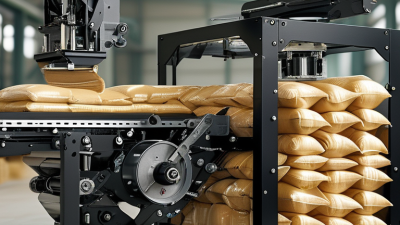
Top 5 Tips for Choosing a Rotary Premade Pouch Packing Machine?
When it comes to selecting a Rotary Premade Pouch Packing Machine, expertise is essential. Industry leader John Smith, a renowned packing solutions engineer, states, "Choosing the right machine is crucial for efficiency and product integrity." His insights reflect the complex decision-making involved in this process.
Investing in a Rotary Premade Pouch Packing Machine can dramatically impact production lines. However, knowing what to look for is vital. The market is flooded with options, which can be overwhelming. Factors such as machine speed, compatibility, and ease of operation play significant roles.
Many buyers overlook important features in their search. This can lead to costly mistakes down the line. It's essential to prioritize reliable performance and adaptability to future needs. Exploring all options is key to making an informed decision. Understanding these elements will enhance your packaging strategy and ensure success in a competitive landscape.
Read more »
By:Emma
- August 19, 2026
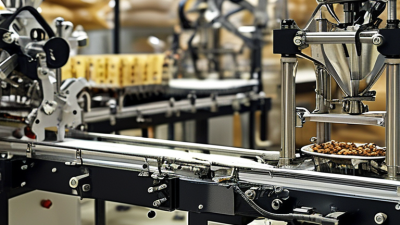
How to Choose the Best Vertical Form Fill Seal Machine?
Choosing the right Vertical Form Fill Seal Machine can greatly impact your packaging process. This machine is crucial for manufacturers aiming for efficiency and quality. Each machine offers unique features, which can make selection challenging. Understanding your specific needs is essential.
When considering a Vertical Form Fill Seal Machine, think about your product type. Some machines excel with granules, while others are best for liquids. Assess the speed and capacity your production line requires. A machine may promise high output, but is it reliable in the long term?
You may also encounter complex options that could confuse your decision. Not all suppliers provide clear information or support. Research reputable companies with a track record in the industry. Gathering opinions from experienced users can also help. Ignoring these steps might lead to costly mistakes and regrets in the future.
Read more »
By:Olivia
- August 19, 2026