
Packaging Machine Insights & Technical Blog
Technical guides, machine selection analysis, and industry knowledge for flexible packaging automation.
How to Choose a Doypack Stand Up Pouch Packing Machine?
Table of Contents
- What Is a Doypack Stand Up Pouch Packing Machine?
- How to Match the Machine With Your Product and Pouch Requirements
- Which Filling, Sealing, and Automation Features Should You Choose?
- How to Compare Machine Capacity, Material Compatibility, and Flexibility
- What Should You Check Before Installation, Operation, and Purchase?
- FAQS
- Conclusion
- Related Posts
Choosing a Doypack Stand-Up Pouch Packing Machine is not simply a matter of comparing speed, price, or appearance. The right choice begins with the product inside the pouch. Powder, granules, liquids, and fragile snacks each require different dosing systems, sealing temperatures, and handling methods. A pouch that looks attractive may still wrinkle, leak, or lose its stability during transport.
Packaging machinery specialist John R. Henry offers a useful principle: “A packaging machine must be matched to the product and package.” This idea remains practical on the factory floor. Before selecting equipment, manufacturers should test the actual pouch film, zipper, spout, filling weight, and sealing area. Watch the machine during start-up. Inspect the seal after several hours. Small problems often appear only when production becomes continuous.
The evaluation should also include filling accuracy, changeover time, cleaning access, compressed-air consumption, and operator safety. Future pouch sizes matter too. A machine designed for one narrow format may become expensive when the product range expands. The best Doypack Stand-Up Pouch Packing Machine balances flexibility with stable performance, not maximum speed alone.
There is no perfect machine.
A careful buyer should request sample trials, production data, maintenance requirements, and service response times. Some specifications may look impressive on paper but perform differently with real materials. That is where practical experience matters. A reliable decision combines technical evidence, operator feedback, and a realistic understanding of the factory’s daily conditions.
What Is a Doypack Stand Up Pouch Packing Machine?
How to Choose a Doypack Stand Up Pouch Packing Machine?
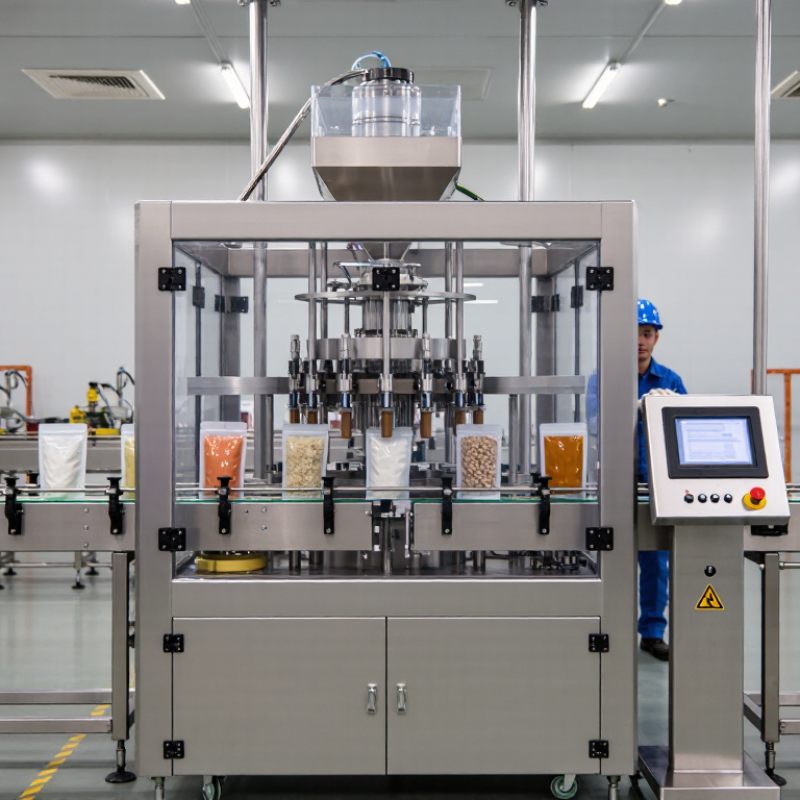
A Doypack stand-up pouch packing machine fills and seals flexible, pre-made pouches. It usually grips each pouch, opens it, adds the product, and creates a sealed top. The finished pouch stands on its bottom gusset. Simple in appearance. According to Smithers’ flexible packaging market report, the global market was worth approximately US$300 billion in 2023. Its continued growth reflects demand for lightweight, printable, and space-efficient packaging. A Doypack machine supports this format, but performance depends on accurate pouch handling and stable sealing.
The machine may include automatic pouch feeding, date coding, nitrogen flushing, weighing, and seal inspection. Liquid, powder, and solid products require different filling systems. A thick sauce needs controlled pumping. Granules need accurate dosing and vibration management. PMMI reported North American packaging machinery shipments of about US$10.2 billion in 2023, showing strong investment in automated production. However, automation does not remove every production problem. Pouch wrinkles, weak seals, and inconsistent filling can still occur.
When choosing equipment, check pouch width, height, material, filling range, sealing temperature, and target speed. Confirm whether the machine handles zippers, spouts, or shaped pouches. Request test runs using real packaging film and actual product. A faster line is not automatically a better line. In practice, operators may value simple adjustments more than maximum speed. The best choice balances output, cleaning time, changeover effort, inspection accuracy, and operator experience.
How to Match the Machine With Your Product and Pouch Requirements
How to Choose a Doypack Stand Up Pouch Packing Machine?
Matching the machine to your product starts with its physical behavior. Powder can bridge inside the filler, while oily snacks may cling to stainless-steel surfaces. Granules need accurate weighing, but fragile products need gentler handling. Smithers estimates the global flexible packaging market will grow from about US$293 billion in 2023 to more than US$350 billion by 2028. That growth increases pressure for stable filling, low waste, and faster changeovers.
Match pouch dimensions before comparing machine speed. Measure width, height, gusset depth, zipper position, and film thickness. A pouch with a wide opening may need stronger gripping jaws. A narrow pouch can wrinkle during sealing. Check the product’s target weight, bulk density, temperature, dust level, and flow rate. Then compare the filler, sealing temperature range, and dosing accuracy. A machine rated for 60 bags per minute may run much slower with sticky or irregular products.
Speed is not everything. Really not.
PMMI’s packaging trend research continues to identify automation, flexible formats, and material efficiency as important investment factors. Ask for a trial using your actual product and pouches. Inspect seal strength, powder leakage, zipper alignment, and rejected bags. I would not trust a brochure alone. Real production often exposes small problems, especially after a long shift. Include recipe storage, tool-free cleaning, and accessible sensors in the evaluation. These details can reduce downtime, although operators may still need regular adjustment and training.
| Product Type | Typical Product Characteristics | Recommended Filling System | Suitable Pouch Features | Recommended Machine Configuration | Key Selection Considerations |
|---|---|---|---|---|---|
| Dry powders | Free-flowing or cohesive powders such as flour, spices, milk powder, and protein powder. | Auger filler; an anti-dust filling arrangement may be required for fine powders. | Standard or gusseted doypack; zipper and tear notch can be added when resealing is needed. | Premade-pouch machine with auger dosing, dust-control components, and pouch-mouth cleaning. | Check bulk density, particle size, dust level, target weight, and powder bridging behavior. |
| Granules and free-flowing solids | Rice, sugar, seeds, nuts, pet food, and other products with relatively consistent particle size. | Multihead weigher or linear weigher. | Flat-bottom, round-bottom, or side-gusset doypack; zipper options are suitable for repeated opening. | Premade-pouch machine with weigh filler and optional product settling or vibration station. | Match the weighing range to the target pack weight. Avoid excessive drop height for fragile products. |
| Irregular or fragile solids | Chips, biscuits, dried fruit, confectionery, and products that can break or deform. | Combination weigher, linear weigher, or volumetric cup system depending on product uniformity. | Wide-mouth doypack, gusseted pouch, or pouch with a protective laminate structure. | Machine with gentle product transfer, controlled discharge, and optional product-presence inspection. | Evaluate product drop distance, pouch opening size, filling speed, and allowable breakage rate. |
| Liquids | Water, sauces, oils, detergents, and other pumpable liquid products. | Piston filler, time-pressure filler, or flowmeter filler selected according to viscosity. | Leak-resistant doypack with suitable heat-seal layers; spout pouch may be preferred for controlled pouring. | Premade-pouch machine with liquid filling nozzle, anti-drip control, and seal-area cleaning. | Confirm viscosity, foaming tendency, temperature, filling accuracy, and required seal integrity. |
| Thick pastes | Peanut butter, tomato paste, gels, creams, and products that do not flow freely. | Servo-driven piston filler or rotary lobe/pump-based filling system. | Wide-mouth or spouted doypack with a strong bottom gusset. | Machine with high-torque filling drive, anti-drip nozzle, and programmable filling profile. | Test product temperature, viscosity variation, nozzle size, and filling pressure before final selection. |
| Liquid-solid mixtures | Pickles, olives, fruit pieces in syrup, sauces with particulates, and similar products. | Combination of solid dosing and liquid dosing, or a product-specific volumetric system. | Gusseted or spouted doypack with high puncture resistance and reliable seals. | Machine with separate solid and liquid filling stages, controlled product transfer, and seal inspection. | Size the filling path for the largest particle and control liquid contamination around the seal area. |
| Frozen or chilled products | Frozen vegetables, seafood, prepared meals, and refrigerated products. | Multihead weigher, linear weigher, or pump system according to product form. | Cold-resistant laminate, strong seals, and optional zipper or spout. | Machine constructed with corrosion-resistant contact parts and accessible areas for frequent cleaning. | Consider condensation, low-temperature material performance, sanitation procedures, and drainage design. |
| Sticky or oily products | Pet treats, coated snacks, oily seeds, sauces, and products that may adhere to contact surfaces. | Anti-stick linear or multihead weighing system, servo piston filler, or suitable pump system. | Heat-sealable doypack with seal contamination tolerance and easy-open or zipper features if required. | Machine with non-stick or polished product-contact surfaces, controlled dosing, and seal-jaw cleaning access. | Check product buildup, cleaning frequency, seal contamination risk, and the effect of oil on film sealing. |
| Small trial or frequent-changeover packs | Multiple products, short production runs, sample packs, and changing pouch sizes. | Interchangeable auger, cup, piston, or weighing modules. | Several pouch widths and heights with consistent registration and seal positioning. | Servo-controlled premade-pouch machine with recipe storage, tool-less adjustments, and quick-change parts. | Prioritize changeover time, format range, cleaning access, recipe management, and operator convenience. |
| High-volume standard packs | One or a few products packed continuously at stable target weights. | Multihead weigher, linear weigher, auger filler, or pump selected for the product. | Consistent pouch dimensions with zipper, spout, or other accessories only when required. | Automatic premade-pouch machine with servo drives, automatic pouch loading, and integrated inspection options. | Verify target output, dosing accuracy, pouch supply capacity, sealing cycle, and downstream case packing needs. |
| Pouches with zipper | Products requiring repeated opening and closing, such as snacks, coffee, pet food, and dry ingredients. | Filling system is chosen according to product type; zipper handling is a separate pouch requirement. | Pre-applied zipper, slider zipper, or press-to-close zipper with suitable pouch stiffness. | Machine with reliable pouch opening, zipper alignment, top-seal control, and zipper-area inspection. | Confirm zipper position, pouch-mouth opening, seal width, zipper material, and opening force. |
| Spouted doypacks | Baby food, sauces, beverages, detergents, and other products dispensed through a fitment. | Piston, pump, flowmeter, or other filler matched to viscosity and particulate content. | Preformed spouted pouch with fitment positioned for the filling and sealing process. | Machine with spout detection, nozzle insertion, liquid anti-drip control, and fitment-area sealing control. | Check spout diameter, cap type, pouch orientation, fill level, leak-test method, and cap torque where applicable. |
| Selection note: The final machine specification should be confirmed through product trials using the actual product, pouch material, pouch dimensions, target fill weight, and required production speed. Actual performance depends on product properties, pouch tolerances, sealing temperature, and operator or line conditions. | |||||
Which Filling, Sealing, and Automation Features Should You Choose?
Choosing a doypack stand up pouch packing machine starts with the product, not the machine’s appearance. In practical commissioning, I have seen a beautiful system struggle because its filler was unsuitable. Granules usually need a volumetric cup or multihead weigher. Powders often require an auger filler with dust control. Liquids need a hygienic piston or pump system. Check dosing accuracy at the target speed. A fast filler is not useful if every pouch needs adjustment.
Sealing features deserve equal attention. Select heat-sealing jaws that match the pouch film and its thickness. Adjustable temperature, pressure, and dwell time help prevent wrinkles, leaks, and weak seals. Test the machine with real packaging material, not sample film alone. A zipper may need separate alignment control. Gas flushing can protect sensitive products, but it also adds valves, sensors, and maintenance. Keep the seal clean.
Automation should reduce errors, not simply increase screen functions. Servo-driven pouch opening, photoelectric sensors, automatic film tracking, and no-pouch-no-fill controls are valuable choices. A checkweigher and reject device can catch underfilled packs before shipment. Recipe storage also helps operators repeat settings during product changes. Still, highly automated equipment is not always better. It can become difficult to diagnose. Leave clear access for cleaning and inspection. In my view, suppliers should provide test records, training, spare-parts guidance, and measurable acceptance criteria. Ask uncomfortable questions. What happens after a sensor fails? How quickly can an operator recover? A perfect specification sheet cannot replace a demanding factory trial.
How to Compare Machine Capacity, Material Compatibility, and Flexibility
Choosing a Doypack stand up pouch packing machine starts with the product, not the advertised speed. In production trials, I compare hourly output at the actual fill weight, pouch size, and sealing temperature. A machine rated for 60 bags per minute may deliver less when film changes or operators adjust settings. Ask for tested output, reject rates, and changeover time. Small details matter.
Capacity should match realistic demand, not a hopeful sales forecast. Running a machine near its limit can increase misfeeds, weak seals, and maintenance pressure. Check whether the dosing system handles powder, granules, liquids, or mixed textures accurately. Material compatibility needs equal attention. Review film thickness, laminate structure, stiffness, and heat-seal range with technical staff. Some recyclable structures behave differently from conventional laminates, especially during sealing. Request samples using your intended material, because generic film tests can hide problems.
Flexibility affects long-term value. Useful features include tool-free adjustments, recipe storage, and quick format changes for different pouch widths. Confirm the machine can accommodate zippers, spouts, easy-open seals, or gas flushing if your product requires them. I would also inspect cleaning access, sensor placement, and spare-part availability. These points are often overlooked. One practical weakness remains: more flexibility can mean more setup decisions and training. A clear trial protocol and operator feedback can expose that trade-off before installation.
What Should You Check Before Installation, Operation, and Purchase?
How to Choose a Doypack Stand Up Pouch Packing Machine?
Before purchase, define the pouch structure, dimensions, product density, and target speed. Check whether the machine supports your film thickness and sealing temperature range. A small difference in pouch width can affect filling accuracy and seal pressure. The Flexible Packaging Association’s 2024 industry report valued U.S. flexible packaging sales at approximately 40 billion dollars in 2023. This growth increases equipment choices, but not every machine suits every pouch.
Request a factory acceptance test using your actual product and film. Measure weight variation, sealing strength, dust control, and changeover time. During installation, confirm floor level, electrical load, compressed-air quality, and safe access for cleaning. PMMI industry research repeatedly identifies labor availability and automation as major packaging investment drivers. Still, higher automation does not remove maintenance needs. A sensor may stop production because of a dusty reflector. That detail is easy to miss.
Tips: Keep three sample pouches from each test run. Record fill weight, seal appearance, cycle speed, and rejected packs. Ask for spare-parts lists, manuals, training, and response times before signing. Inspect the machine with an operator, not only a purchasing manager. A smooth demonstration can mislead. Test awkward products, slow speeds, and frequent size changes. These conditions reveal weaknesses before installation.
How to Choose a Doypack Stand-Up Pouch Packing Machine?
Use this checklist to review the key points before installation, operation, and purchase. The chart shows the number of verification items assigned to each stage.
How to use the chart: Confirm every item in the installation stage before setup, verify operating functions during testing, and review all purchase-related requirements before signing an order.
FAQS
It fills and seals pre-made flexible pouches. The machine grips, opens, fills, and seals each pouch. The finished pouch stands on its bottom gusset.
It can handle liquids, powders, granules, snacks, and mixed products. Thick sauces need controlled pumping. Powders may bridge inside the filler.
Measure pouch width, height, gusset depth, zipper position, and film thickness. Check whether the machine supports spouts or shaped pouches. Narrow pouches may wrinkle during sealing.
Not always. Really not. A machine rated for 60 bags per minute may run slower with sticky products. Actual speed depends on pouch size, fill weight, material, and sealing temperature.
Use your actual product and pouches. Inspect fill accuracy, seal strength, powder leakage, zipper alignment, and rejected bags. A brochure cannot reveal every problem.
Liquids usually need pumps. Powders need controlled dosing systems. Granules often require accurate weighing and vibration control. Fragile products need gentler handling.
Test the intended film, laminate structure, thickness, and stiffness. Some recyclable materials seal differently from conventional structures. Generic film tests may hide production problems.
Recipe storage, tool-free adjustments, accessible sensors, and quick format changes can help. Easy cleaning also matters. Small details matter.
Check cleaning access and the time needed to change pouch formats. Ask operators to perform the adjustment. The fastest design may still feel complicated after a long shift.
Conclusion
Choosing the right Doypack Stand-Up Pouch Packing Machine starts with understanding how the equipment forms, fills, and seals pre-made or continuously produced stand-up pouches. The best choice depends on your product type, including powders, granules, liquids, or irregular pieces, as well as pouch size, material, opening style, and sealing requirements. Consider whether the machine can provide accurate filling, reliable heat sealing, date coding, dust control, and suitable automation for your production process.
Before making a decision, compare filling capacity, operating speed, pouch material compatibility, changeover time, and the flexibility to handle different package formats. The machine should also match your available floor space, power supply, air requirements, and sanitation standards. Check installation procedures, operator controls, maintenance access, safety features, spare-part availability, and technical support. A careful evaluation of these factors will help ensure stable operation, consistent packaging quality, and a practical investment that can adapt to future production needs.
Blog Tags: