
Packaging Machine Insights & Technical Blog
Technical guides, machine selection analysis, and industry knowledge for flexible packaging automation.
7 Tips for a Multi-Lane Stick Pack Packaging Machine
Table of Contents
- Understanding Multi-Lane Stick Pack Packaging Machines
- Selecting the Right Machine for Product and Package Requirements
- Configuring Lanes, Filling Systems, and Sealing Components
- Optimizing Speed, Accuracy, and Material Efficiency
- Maintaining the Machine for Reliable Long-Term Performance
- FAQS
- Conclusion
- Related Posts
Choosing a Multi-Lane Stick Pack Packaging Machine is not simply a matter of counting lanes. It involves product behavior, film performance, dosing accuracy, sealing pressure, and operator control. A compact machine may look efficient during a showroom test, yet behave differently with powder, granules, or sticky liquids. Small details matter. A drifting film edge can create weak seals across every lane.
Walter Soroka, a respected packaging educator and author, offers a useful principle: “Packaging is a system, not a single machine.” That idea guides this practical introduction to seven essential machine-selection and operating tips. The discussion will examine lane synchronization, servo control, filling accuracy, seal inspection, material waste, sanitation access, and preventive maintenance. It will also consider production evidence, including trial runs, rejected-stick counts, changeover time, and actual output rather than advertised speed.
Speed is not everything.
A Multi-Lane Stick Pack Packaging Machine should support stable production without making quality checks difficult. Operators need clear access to forming collars, sensors, dosing parts, and sealing jaws. Maintenance teams need realistic cleaning intervals and replacement-part information. These points are often overlooked when purchasing decisions focus only on capacity.
Some recommendations may seem obvious. They are still frequently missed. The right choice depends on the product, package dimensions, facility conditions, and staff experience. No machine removes every production risk. Careful testing remains necessary. This guide provides a grounded starting point, while leaving room to question assumptions before investment.
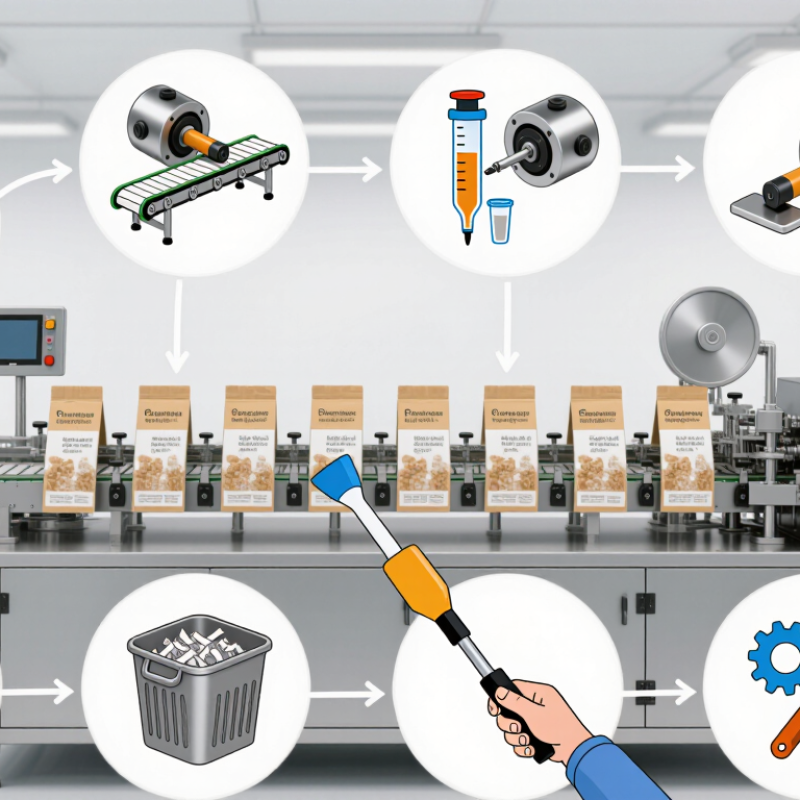
Understanding Multi-Lane Stick Pack Packaging Machines
A multi-lane stick pack packaging machine forms, fills, and seals several narrow sachets at once. Each lane uses shared controls but needs accurate alignment. In production, small differences in film tension can create uneven seals. Understanding this interaction helps operators adjust settings with confidence.
- Match the film width to the lane layout.
- Check powder flow before increasing speed.
- Keep forming collars clean. Dust can distort the stick shape.
- Measure seal temperature at regular intervals. A display reading may not reflect the actual sealing surface.
- Inspect lane timing during changeovers. One delayed lane can cause repeated waste.
- Calibrate filling systems with the real product, not only water or test material.
- Record adjustments in a simple logbook.
Experience shows that speed is not always productivity. Stable feeding, consistent sealing, and controlled film movement usually protect output better. Operators should watch the first packs closely, especially after replacing film or changing product density. Leave room for judgment.
A practical weakness remains: some machines are easier to clean than to fine-tune. This can be overlooked during purchase decisions. Ask for maintenance access, spare-part availability, and documented operating limits. Reliable performance depends on training, preventive checks, and honest records, not machinery alone.
Selecting the Right Machine for Product and Package Requirements
7 Tips for a Multi-Lane Stick Pack Packaging Machine
Selecting the Right Machine for Product and Package Requirements
Tip 1: Define the product before comparing machines. Powder, granules, and liquid products behave differently during dosing. Fine powder may bridge inside the hopper, while free-flowing granules can overload each lane. Test the actual product, not a similar sample.
Tip 2: Match the machine to the package. Confirm stick pack length, width, film structure, seal area, and tear requirements. A narrow pack saves material, but it may restrict filling volume or cause poor product flow. Film trials should include temperature changes and normal production speeds.
Tip 3: Check lane performance, not only total output. A multi-lane machine may promise high capacity, yet one unstable lane can create frequent stoppages. Ask for lane-by-lane accuracy data, sealing results, and reject rates. Small differences become expensive over long shifts.
Tip 4: Consider cleaning and changeover time. Product dust collects around forming collars, sensors, and sealing jaws. Tool-free access helps operators work safely and consistently. However, quick changeover claims need practical verification.
Tip 5: Review control and inspection functions. Useful systems monitor fill weight, film tracking, seal temperature, and missing packs. Data records also support quality investigations. Do not assume every digital feature improves reliability.
Tip 6: Evaluate future requirements. Leave room for new products, larger batches, or different film widths. Oversizing the machine can waste floor space and energy. Undersizing it creates pressure later.
Tip 7: Run a witnessed factory test. Bring representative materials and packaging film. Measure accuracy, seal strength, dust control, and operator workload. A machine can look impressive during a demonstration, but real production is less forgiving.
Configuring Lanes, Filling Systems, and Sealing Components
A multi-lane stick pack machine succeeds when lane design matches the product, film, and target output. The Flexible Packaging Association reported U.S. flexible packaging sales of approximately $39.8 billion in 2023. That scale raises pressure on uptime and material control. Configure lanes around the required sticks per minute, not maximum machine capacity. Too many lanes can increase changeover time and alignment errors. Leave practical access for cleaning, inspection, and film threading.
Filling systems need consistent product flow. Augers suit many powders, while volumetric cups can support uniform granules. Liquid products require anti-drip control and stable temperature management. Check fill accuracy at startup, after refilling, and during speed changes. A 2% variation may become expensive across thousands of packs. The PMMI 2024 Packaging Machinery Trends research highlights automation, flexibility, and easier changeovers as major industry priorities. Servo-driven dosing can help, but sensors cannot fix poor powder flow.
Sealing components deserve equal attention. Use heated jaws, ultrasonic systems, or cold-seal structures according to the film and product sensitivity. Test seal strength across the web, especially near outer lanes. Small temperature differences matter. In my experience, operators often optimize speed before stabilizing sealing pressure. That is usually backwards. Record jaw temperature, dwell time, pressure, and film tension for every format. Some settings will still need adjustment; real production rarely follows the first laboratory trial.
Optimizing Speed, Accuracy, and Material Efficiency
A multi-lane stick pack machine rewards disciplined setup, not maximum speed alone. To improve output, match lane count with product flow, film width, and sealing capacity.
Tip one: stabilize product feeding before raising machine speed. Uneven flow creates empty sticks, overfills, and costly stops.
Tip two: maintain steady film tension through every roller. Small wrinkles can shift print marks and weaken seals.
Tip three: calibrate dosing with repeated weight checks. Record results from every lane, because one average can hide a weak station.
Tip four: tune photo-eye timing after changing film rolls or artwork spacing. Do not trust yesterday’s settings. Film properties can change with humidity, storage time, and material batches.
Tip five: set sealing temperature and pressure from trial data, then inspect seal width across several packs.
Tip six: reduce waste through accurate registration, shorter startup runs, and controlled scrap collection. A clean trim path matters.
Tip seven: inspect knives, heaters, sensors, and dosing parts before drift becomes downtime.
My early setups were too optimistic about speed. A slower line sometimes produced more saleable packs after better calibration. Review rejected packs by cause, not only quantity, and adjust one variable at a time. This makes material use easier to measure and improvements easier to repeat.
Maintaining the Machine for Reliable Long-Term Performance
Tip 1:
Keep the sealing area clean and consistent. Fine powder can collect around the heat-seal jaws, causing weak seals and film wrinkles. After each shift, remove residue with a soft brush and approved cleaning materials. Never scrape heated surfaces aggressively. Small scratches may create repeated sealing problems later. Check jaw alignment when the machine is cool. A simple paper test can reveal uneven pressure, although it is not a complete inspection.
Tip 2:
Inspect moving parts before they become noisy. Lubricate approved bearings and chains according to the maintenance schedule, not personal guesswork. Excess lubricant attracts dust and may reach sensitive areas. Check bolts, cutting blades, forming collars, and film guides for looseness or wear. Record each adjustment in a maintenance log. This creates traceable evidence for troubleshooting and supports consistent operator training. I have found that rushed checks often miss small changes in vibration.
Tip 3:
Verify sensors and dosing systems regularly. A dusty photoelectric sensor can misread registration marks and disturb sachet spacing. Clean the lens gently, then test several cycles at normal speed. Confirm temperature readings with a calibrated reference instrument when possible. Replace worn seals before leaks affect product flow. No schedule is perfect. Review the log monthly and adjust inspection intervals after seasonal dust, humidity, or production changes. Reliable performance depends on disciplined details, not occasional repairs.
FAQS
Choose lanes based on required sticks per minute, not maximum capacity. Too many lanes can extend changeovers and increase alignment errors. Keep access for cleaning, inspection, and film threading. More lanes are not always better.
Augers often suit powders, while volumetric cups can handle uniform granules. Liquid products need anti-drip control and stable temperature management. Poor powder flow can defeat accurate dosing. Sensors cannot fix everything.
Check accuracy during startup, after refilling, and during speed changes. A 2% variation can become costly across thousands of packs. Record results for each product format. Small errors multiply.
Match heated jaws, ultrasonic sealing, or cold-seal structures to the film and product. Consider product sensitivity before increasing speed. Test seal strength across the web, especially near outer lanes. The first trial may need adjustment.
Record jaw temperature, dwell time, pressure, and film tension. Small temperature differences can weaken seals or create wrinkles. Operators should stabilize pressure before optimizing speed. Speed is not everything.
Remove powder residue after each shift using a soft brush and approved cleaning materials. Avoid aggressive scraping on heated surfaces. Small scratches may cause repeated sealing problems. Check jaw alignment when the machine is cool.
Check bearings, chains, bolts, cutting blades, forming collars, and film guides. Lubricate only approved parts according to the maintenance schedule. Excess lubricant attracts dust and may reach sensitive areas. Rushed checks miss subtle vibration.
Clean dusty photoelectric sensor lenses gently, then test several normal-speed cycles. Verify temperature readings with a calibrated reference instrument when possible. Replace worn seals before leaks affect product flow. Review maintenance logs monthly and adjust intervals when conditions change.
Conclusion
A Multi-Lane Stick Pack Packaging Machine can improve production efficiency by filling and sealing several individual sachets at the same time. To choose the right system, first evaluate the product’s characteristics, such as powder flow, liquid viscosity, particle size, and sensitivity to air or moisture. The package size, film type, seal requirements, and desired output should also guide the machine selection. Properly configuring the number of lanes, filling method, forming components, and sealing temperature is essential for stable operation and consistent package quality.
To achieve reliable performance, operators should balance production speed with filling accuracy and material efficiency. Accurate dosing, synchronized film movement, and precise sealing can help reduce waste and prevent defects. Regular cleaning, inspection, lubrication, and timely replacement of worn parts are equally important for long-term reliability. By combining suitable machine selection, careful setup, efficient operation, and preventive maintenance, manufacturers can create a safer, more productive, and cost-effective stick pack packaging process.

Blog Tags: