
Spartan Machine Co., Ltd. · Blog & Knowledge Center

Packaging Machine Insights & Technical Blog

Technical guides, machine selection analysis, and industry knowledge for flexible packaging automation.

0%

China’s tea industry is moving toward faster, cleaner, and more traceable packaging operations. The China Tea Marketing Association reported strong domestic tea consumption in recent years, increasing pressure on processors to improve packing efficiency. Meanwhile, PMMI’s 2024 State of the Industry report highlights labor shortages, equipment uptime, and digital monitoring as major packaging concerns.

This is where a reliable Filter Tea Bag Envelope Packing Machine becomes important. The machine must form accurate envelopes, control filter-paper tension, protect aroma, and maintain stable sealing at high speeds. Small details matter. A loose seal can damage an entire production batch. A poorly adjusted cutter can create waste within minutes.

Jorge Izquierdo, PMMI’s vice president of market development, has emphasized that “automation helps manufacturers improve productivity, quality, and safety.” His observation fits tea packing closely. However, supplier claims still require careful checking. Speed figures may reflect ideal materials, skilled operators, and laboratory conditions. Real factories face humidity, powder variation, film differences, and maintenance delays.

This China Top 10 supplier overview will compare machine structure, output stability, control systems, customization, certifications, and after-sales support. It will also consider practical evidence, including factory testing, customer references, spare-parts access, and technical documentation. No ranking is perfectly objective. That deserves attention. A cheaper machine may appear attractive, but unstable sealing or slow service can increase the total cost of ownership. The strongest suppliers combine proven engineering with responsive support and transparent performance data.
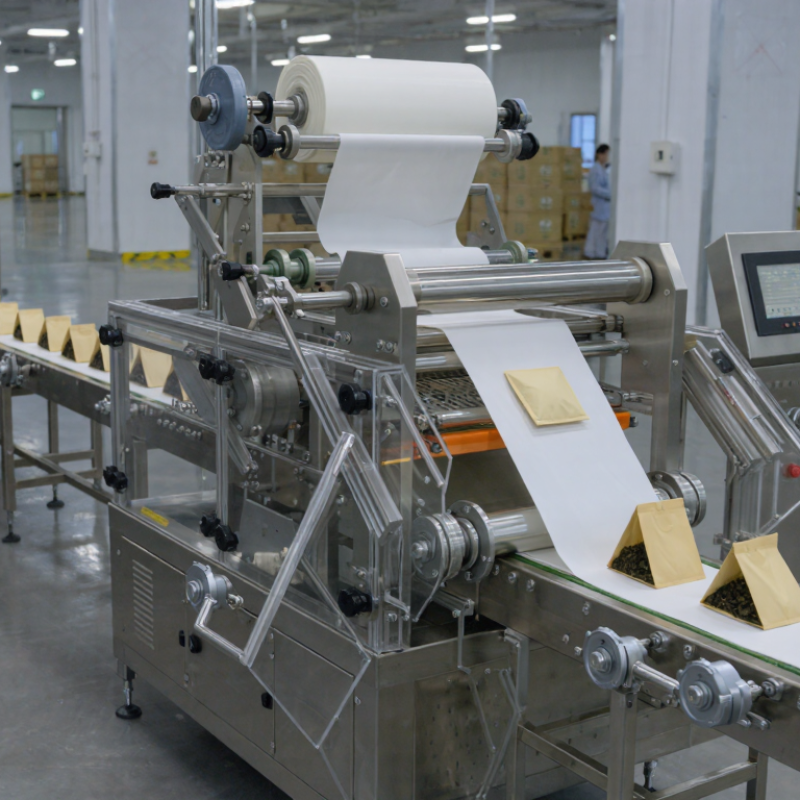
China Top 10 Filter Tea Bag Envelope Packing Machine Suppliers

Filter Tea Bag Envelope Packing Machines: Definition and Main Features

A filter tea bag envelope packing machine is automated equipment for filling, sealing, and wrapping individual tea bags.

It usually forms a porous filter-paper pouch, adds a measured quantity of tea, and seals the pouch with heat or pressure. A second envelope then protects the inner bag from moisture, dust, and aroma loss. The machine may also attach a thread, tag, or folded label.

Its main features include accurate dosing, continuous sealing, automatic film cutting, and synchronized conveyor movement. Modern systems often use sensors to detect empty bags, film errors, or incorrect positions.

Stainless steel contact parts support easier cleaning and better hygiene control. Digital panels help operators adjust filling weight, sealing temperature, and packing speed. In real production, small temperature changes can affect seal strength. That detail is easy to overlook.

Tips:

Check the machine with your actual tea blend, filter paper, and envelope film before purchase. Fine particles may require a different dosing method. Ask for clear test records, cleaning procedures, spare-part details, and operator training. A higher speed is not always better. Stable sealing and consistent weight matter more. Leave room for manual inspection, because sensors can miss unusual wrinkles or weak seals.

How Filter Tea Bag Envelope Packing Machines Operate

China Top 10 Filter Tea Bag Envelope Packing Machine Suppliers

Filter tea bag envelope packing machines convert measured tea into sealed, hygienic portions. The process begins with a roll of filter paper. A forming collar shapes the paper into a tube. A dosing unit then releases a controlled amount of tea into each pocket.

Heat seals close the longitudinal and crosswise edges. A cutting station separates individual bags at a steady interval. The finished bags move into envelopes, where another sealing unit protects aroma and moisture balance. Photoelectric sensors check registration marks, while weight controls detect uneven filling.

Operators usually adjust paper tension, sealing temperature, and machine speed together. A small change can affect all three. In daily production, no setting stays perfect. Humidity, leaf size, and paper quality can shift the result.

Tips: Check the first sealed bags by hand. Look for weak edges, loose tea, and unclear cuts. Keep the dosing system clean, because fine particles may change filling accuracy. Record temperature and speed settings for each material batch. This simple record helps technicians trace problems faster. Supplier evaluation should include trial testing, spare-part access, safety documentation, and operator training. A reliable supplier should explain the machine’s limits clearly, not only its highest output.

Evaluation Criteria for Chinese Machine Suppliers

China Top 10 Filter Tea Bag Envelope Packing Machine Suppliers

Evaluation Criteria for Chinese Machine Suppliers

When evaluating Chinese suppliers, examine practical experience before comparing prices. Filter tea bag envelope packing requires stable dosing, accurate sealing, and gentle material handling. Ask how many similar machines they have installed. Request operating videos from real production floors, not only polished demonstrations. A reliable supplier should explain speed limits clearly.

Inspect the machine frame, electrical cabinet, and film path during a factory visit. Stainless steel contact parts should be easy to clean. The sealing area deserves close attention. Uneven heat can create leaking envelopes and wasted tea. Ask for sample tests using your actual tea leaves, filter paper, and packaging film. Small differences in dust, moisture, and particle size can change performance. I once treated a standard test as sufficient; that was too optimistic.

Technical documents also reveal professionalism. Check wiring diagrams, spare-parts lists, software backups, and maintenance instructions. Confirm whether operators receive hands-on training. Response time matters when a sensor fails during a night shift. Review installation records and speak with previous customers when possible. Certifications support credibility, but they do not replace production evidence. Compare total ownership cost, including tooling, energy use, shipping, and service visits. No supplier fits every factory. A cheaper machine may demand more adjustment than expected. Leave room for that uncomfortable possibility.

China’s Top 10 Filter Tea Bag Envelope Packing Machine Suppliers

China’s Top 10 Filter Tea Bag Envelope Packing Machine Suppliers serve tea processors, contract packers, and growing beverage factories. Their equipment commonly handles filter paper, thread, tags, outer envelopes, and heat sealing. A reliable supplier should explain each stage clearly, not only quote a machine price.

From factory visits and equipment trials, practical buyers often inspect sealing consistency first. A good machine should maintain stable speed during long production runs. Typical features include servo-driven filling, photoelectric tracking, dust protection, and touchscreen controls. Some models produce 100 to 180 bags per minute, depending on tea volume and packaging materials. Ask for samples using your actual tea. Fine particles can behave differently from whole-leaf blends.

Supplier service deserves equal attention. Request installation guidance, spare-parts lists, electrical drawings, and operator training. Remote support helps, but it cannot replace skilled technicians during difficult commissioning. This is where some suppliers appear strong on paper yet respond slowly in practice. That matters. Buyers should also verify safety guards, emergency stops, cleaning access, and compatibility with local power standards. No machine is perfect. A thoughtful supplier will admit limitations and suggest adjustments instead of promising unrealistic output. Careful testing, written specifications, and transparent after-sales terms make comparisons among China’s top 10 suppliers more dependable.

China’s Top 10 Filter Tea Bag Envelope Packing Machine Suppliers

Anonymous supplier-evaluation checklist. The entries below are comparison criteria, not a verified supplier ranking or supplier-specific performance claims.

No. Evaluation dimension What to compare Evidence to request
1 Tea bag format compatibility Supported bag styles, such as flat, rectangular, or string-and-tag formats, and the specified bag dimensions. Machine specification sheet and sample bags produced on the proposed model.
2 Outer envelope compatibility Envelope dimensions, sealing style, and whether the machine handles the required envelope material and construction. Approved material specifications, envelope samples, and a format-change procedure.
3 Rated production speed Quoted bags per minute, the product and pack format used for the rating, and the conditions under which it was measured. A written speed specification and a witnessed production test using the buyer’s materials.
4 Dose range and consistency Supported fill-weight range and the method used to check dosing performance for the intended tea or herbal blend. A test report stating the target dose, sample size, measured results, and test material.
5 Filter paper and packaging materials Compatible filter paper, envelope stock, labels, thread, and tags, including material dimensions and feeding requirements. Material specifications and a compatibility trial with the buyer’s supplied packaging stock.
6 Sealing performance Bag and envelope sealing method, adjustment range, and how seal quality is checked for the selected material. Sealed samples and documented acceptance criteria for the production test.
7 Changeover and cleaning Parts and settings requiring adjustment when changing bag sizes or products, plus access for routine cleaning. Changeover instructions, cleaning procedure, and a demonstration using the relevant formats.
8 Controls and production monitoring Available operating controls, fault alerts, safety interlocks, and production or batch data functions. Control-system documentation and an operating demonstration.
9 Utilities and installation requirements Electrical supply, compressed-air requirements if applicable, machine footprint, and installation conditions. An installation drawing and a utility-requirements sheet for the quoted configuration.
10 Service, parts, and documentation Warranty terms, service-response arrangements, spare-parts availability, training, and operating-manual language. Written warranty and service terms, recommended spare-parts list, and training scope.

Compare quotations using the same tea blend, target dose, bag and envelope formats, packaging materials, and acceptance-test conditions.

How to Compare and Select the Right Supplier

When comparing China’s top 10 filter tea bag envelope packing machine suppliers, begin with verified production evidence. The global tea market was valued at about USD 49.3 billion in 2023, according to Grand View Research. That scale increases pressure on stable, high-speed packaging. Ask each supplier for recent machine videos, factory acceptance records, and customer references from comparable tea formats.

Do not compare price alone. PMMI’s 2024 packaging machinery outlook identifies automation, labor efficiency, and flexible changeovers as major purchasing priorities. Check output at your actual filter paper width, filling weight, and envelope size. A practical test should measure sealing strength, thread placement, dust leakage, and reject rates. Request at least four continuous operating hours. Short demonstrations can hide problems.

Supplier reliability also depends on engineering support. Review electrical standards, spare-parts availability, remote diagnostics, installation time, and operator training. ISO 9001 certification supports process control, but it does not guarantee excellent machine performance. I would also inspect the workshop personally, if possible. Stainless steel may look impressive, yet weak sensors can still stop production. This is where my judgment can be imperfect: quoted capacity is often measured under ideal conditions. Compare measured output, energy use, warranty terms, and service response in one written table. Ask difficult questions early. That saves expensive hesitation later.

FAQS

What does a filter tea bag envelope packing machine do?

It fills filter-paper bags with measured tea. It seals each bag and places it inside a protective envelope.

How does the packing process work?

Filter paper forms a tube around a dosing area. Tea enters each pocket. Heat seals close the edges, then cutters separate the bags.

What features are important during production?

Accurate dosing, stable sealing, film cutting, and synchronized conveyors matter most. Sensors can detect empty bags, film errors, and poor positioning.

Can the machine handle different tea materials?

Usually, yes, but performance depends on leaf size and particle shape. Fine tea dust may need another dosing method. Testing is essential.

What packing speed can operators expect?

Some systems produce about 100 to 180 bags per minute. Actual speed depends on tea volume, paper quality, and envelope film.

How can operators check sealing quality?

Inspect the first bags by hand. Look for weak edges, loose tea, unclear cuts, or wrinkles. Sensors may miss unusual seal problems.

What maintenance and cleaning practices are useful?

Clean the dosing system regularly, especially around fine particles. Stainless steel contact parts simplify cleaning. Keep records of settings and material batches.

What should buyers test before choosing a machine?

Use the actual tea blend, filter paper, and envelope film. Request test samples, cleaning instructions, spare-part details, and training information.

Is higher speed always better?

Not really. Stable weight and strong seals often matter more than maximum output. A faster machine can create more waste when settings drift.

What support should a supplier provide?

Clear specifications, electrical drawings, safety information, and commissioning guidance are useful. Remote support helps, but difficult problems may still need skilled technicians.

Conclusion

This article provides a practical overview of the Filter Tea Bag Envelope Packing Machine, explaining its purpose, structure, and key features. These machines are designed to package filter tea bags efficiently, typically integrating functions such as tea dosing, inner bag forming, outer envelope sealing, thread and tag placement, counting, and date marking. The article also describes the general operating process, from material feeding and accurate filling to heat sealing, cutting, inspection, and finished-product collection. Attention is given to production speed, packing precision, automation level, material compatibility, hygiene, and ease of maintenance.

It also presents a structured approach to evaluating Chinese suppliers without focusing on any specific brand. Important criteria include manufacturing experience, equipment quality, customization capability, technical support, spare-parts availability, quality control, delivery terms, and overall cost efficiency. By comparing machine performance, operating requirements, after-sales service, and long-term reliability, buyers can identify a suitable supplier and select equipment that matches their product type, packaging format, production volume, and future business needs.

Emma

Emma

Emma is a dedicated marketing professional with a strong expertise in the core products and services of her company. With a passion for crafting compelling content, she regularly updates the company’s professional blog, providing invaluable insights and thought leadership in the industry. Emma's......